A waking meditation for busy people. Waking meditation is a practical mindfulness technique that allows busy individuals to experience the mental health benefits of meditation without carving out dedicated quiet time. By anchoring your full attention to routine daily activities like washing dishes, commuting, or brewing morning coffee, you can transform ordinary moments into powerful opportunities for inner peace and stress relief.
Key Takeaways
- Waking meditation integrates mindfulness directly into daily routines, making it ideal for people with extremely busy schedules.
- You do not need a quiet room, a special cushion, or a rigid schedule to practice waking awareness.
- Everyday tasks like washing dishes or walking the dog can serve as powerful anchors for your attention.
- Shifting from sleepwalking through your day to conscious participation fundamentally changes your relationship with stress and time.
- Consistent micro-moments of awareness throughout the day provide cumulative benefits for mental clarity and emotional regulation.
The Problem With Traditional Meditation Schedules
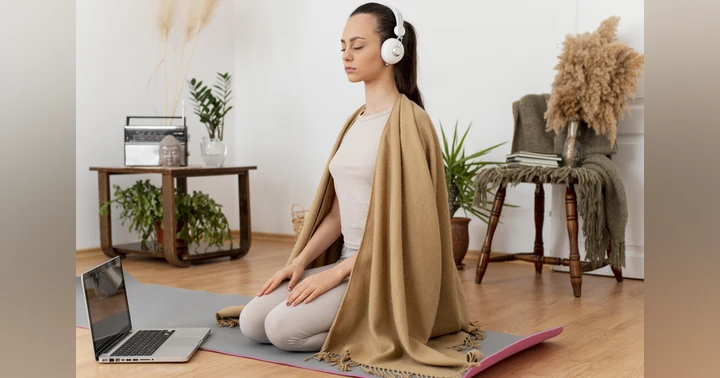
For many professionals and parents, the standard advice to sit in absolute silence for thirty minutes a day is simply unrealistic. When your calendar is packed with back-to-back meetings, household chores, and family responsibilities, trying to manufacture a traditional meditation session often generates more anxiety than it relieves. You might find yourself constantly glancing at the clock, worrying about what you are missing, or feeling like a failure because your mind refuses to settle down in a sterile environment.
This rigidity is precisely why so many beginners give up on meditation altogether. They view it as a separate chore that must be squeezed into an already overflowing day. However, viewing meditation as a boxed-in activity completely misses the essence of mindfulness. Awareness is not limited to closed eyes in a quiet room; it is a quality of consciousness you can bring to every moment of your waking life. This realization forms the foundation of waking meditation, a flexible approach designed for the realities of modern living.
What Is Waking Meditation, and How Does It Work?
Waking meditation is the art of bringing complete, unadulterated attention to the activity you are performing right now. Instead of trying to escape your daily life to find peace, you use your daily life as the meditation itself. When you engage in waking meditation, your physical body remains active and functional, but your mind drops its usual habit of running on autopilot.
Consider the simple act of making your morning coffee. Under normal circumstances, your mind is already racing ahead to the workday, drafting emails, or worrying about traffic while your hands mechanically scoop the grounds. With waking meditation, you intentionally anchor your senses to the immediate physical experience. You notice the rich, dark aroma of the beans, the tactile sensation of the ceramic mug warming in your hands, and the sound of the water heating up. You are fully inhabiting the present moment rather than sleepwalking through it.
Practical Ways to Practice Mindfulness During Busy Days
Integrating waking meditation into your routine does not require learning complex rituals. You simply need to identify transition points and routine habits throughout your day and use them as triggers for awareness. Here are a few ways to embed mindfulness into a packed schedule:
- The Commute Check-In: Turn off the radio or podcast for just five minutes of your drive or train ride. Notice the feeling of your hands on the steering wheel, the posture of your spine against the seat, and the rhythm of your breathing.
- Chore Concentration: Wash the dishes or fold laundry without multitasking. Pay absolute attention to the temperature of the water, the texture of the fabric, and the physical movements required to complete the task.
- Waiting Room Breathing: Whenever you are stuck in a queue at the grocery store or waiting for a meeting to start, drop your attention down to your feet. Feel the solid contact between the soles of your feet and the floor, and take three intentional breaths.
Changing Your Relationship With Time
One of the most profound psychological shifts that occurs through waking meditation is a fundamental change in how you perceive time. Modern life is defined by a chronic sense of rushing—the feeling that there is never enough time to get everything done. When you practice waking meditation, you step off the frantic hamster wheel of constant doing.
By anchoring yourself in the present moment, you realize that time only truly exists in the now. The past is a memory, and the future is an imagination; the present is the only place where your life actually unfolds. When you stop fighting time and start fully experiencing each passing minute, your days begin to feel spacious rather than compressed, even when your task list remains long.
Conclusion
Waking meditation proves that you do not need to retreat to a mountaintop or block out hours of your day to experience the transformative effects of walking mindfully. By treating ordinary activities as opportunities for deep awareness, you can cultivate inner peace right in the middle of a chaotic schedule.
To explore more about expanding your meditation practice and breaking free from common mental obstacles, be sure to listen to the full episode. Tune in to discover actionable strategies that will help you bring clarity and presence to every area of your life this year.
Frequently Asked Questions
What is waking meditation?
Waking meditation is the practice of maintaining full mindfulness and present-moment awareness while engaging in routine, everyday activities like walking, washing dishes, or working, rather than sitting in formal stillness.
Do I need special equipment for waking meditation?
No equipment is needed whatsoever. You do not need a meditation cushion, a quiet room, or specific clothing. You only need your attention and a willingness to notice what you are doing while you do it.
How long should a waking meditation session last?
Waking meditation does not have a set duration. You can practice for as little as thirty seconds while washing your hands or for the entire duration of a ten-minute walk, focusing entirely on consistency rather than length.
Can busy professionals benefit from waking meditation?
Yes, waking meditation is specifically designed for people with demanding schedules because it requires zero extra time out of your day. It transforms the tasks you are already doing into mindfulness practice.
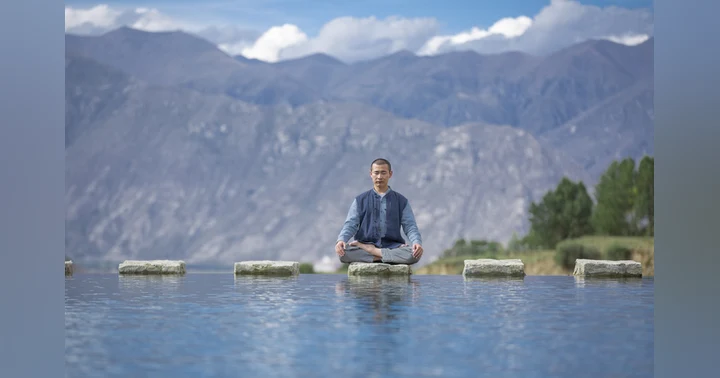
Demystifying Meditation: Why You Don't Need to Be Religious to Practice